
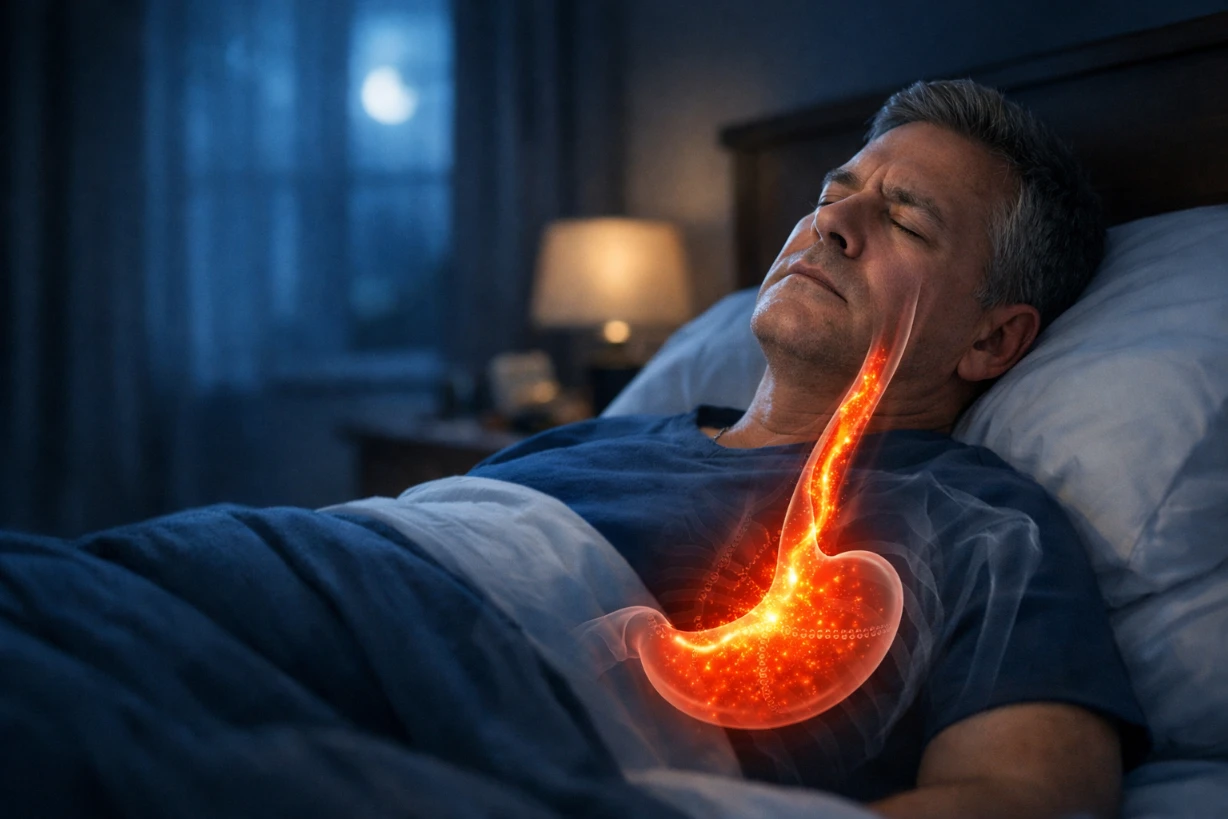
Can you die from acid reflux in your sleep is a frightening question. Many people with heartburn or gastroesophageal reflux disease (GERD) worry about choking on stomach acid at night, not waking up, or having a deadly complication while they sleep. The fear feels very real when you wake up gasping, with burning in your chest and throat.
Can You Die From Acid Reflux In Your Sleep? The Direct Answer
For most people, the risk of death from simple acid reflux in sleep is very low. Nighttime heartburn itself is not usually deadly. However, can you die from acid reflux in your sleep is not a silly question, because long term and severe reflux can lead to serious complications that may raise the risk of life threatening events.
Problems linked to chronic acid reflux and sleep include:
- Brief choking or aspiration episodes that disturb sleep
- Worsening asthma or breathing problems at night
- Silent aspiration in people with weak swallowing muscles
- Higher risk of pneumonia in frail or older adults
- Long term damage to the esophagus, which can cause strictures or cancer
So while most people with reflux will not die from it in their sleep, ignoring chronic symptoms is not safe either. We need to look deeper at what happens in the body and who is truly at risk.
What Actually Happens During Nighttime Acid Reflux
To understand why can you die from acid reflux in your sleep is worrying but rare, we first need to review what reflux is. GERD happens when the valve between the esophagus and stomach, called the lower esophageal sphincter, does not close tight enough. Stomach acid and sometimes food flow backward into the esophagus.
At night, several things make reflux more likely:
- You lie flat, so gravity no longer helps keep acid in the stomach.
- Swallowing slows down, so you clear acid from the esophagus less often.
- Saliva production drops, and saliva helps neutralize acid.
When this backward flow of acid reaches the throat or even the airway, it can cause sudden choking, coughing, or a feeling like you cannot breathe. Many people bolt upright in bed, terrified.
The good news is that the body has strong reflexes to protect the lungs. The cough and gag reflex usually push the acid back and force you to wake up. That is why death directly from one reflux event during sleep is extremely uncommon in otherwise healthy people.
Serious Complications Linked To Nighttime Reflux
To answer can you die from acid reflux in your sleep in a balanced way, we have to look at rare but possible harmful outcomes.
Aspiration: When Stomach Contents Enter The Lungs
Aspiration means that food, liquid, or stomach contents go into the airway and lungs instead of staying in the esophagus and stomach. During a severe reflux event in sleep, a small amount of acid or food can slip into the windpipe.
Most of the time, you cough it out and wake up. But in some people, especially those who are frail or have nerve or muscle problems, the reflexes are not strong enough. Repeated or severe aspiration can cause:
- Aspiration pneumonia (lung infection from inhaled material)
- Serious lung damage and scarring over time
- Worsening of chronic lung diseases like COPD
In very high risk patients, such as those in nursing homes or people with advanced neurological disease, aspiration pneumonia can be deadly. In that indirect way, can you die from acid reflux in your sleep becomes a more reasonable concern.
Laryngospasm And Sudden Breathing Trouble
Sometimes a drop of stomach acid touching the vocal cords triggers a strong spasm called laryngospasm. The vocal cords clamp shut for a few seconds, and you feel like you cannot breathe at all.
This is terrifying but usually passes quickly. The spasm relaxes, air comes back, and there is no lasting harm. For healthy adults, death from this type of event is extremely rare because the episode is brief.
Worsening Of Sleep Apnea And Heart Problems
GERD and obstructive sleep apnea often happen together. Reflux can trigger apnea events, and apnea can make reflux worse by changing pressure in the chest and abdomen.
Untreated severe sleep apnea raises the risk of:
- Abnormal heart rhythms
- High blood pressure
- Stroke and heart attack
If someone with both serious GERD and untreated sleep apnea has frequent nighttime reflux, the strain on the heart and lungs may increase. In that complex mix, can you die from acid reflux in your sleep overlaps with the real dangers of uncontrolled sleep apnea and heart disease.
Who Is Truly At Higher Risk From Nighttime Acid Reflux
Not everyone faces the same danger from reflux while sleeping. Some groups need closer attention and stronger protection.
People At Higher Risk Include
- Older adults, especially those who are weak or bedbound
- People with Parkinson’s disease, stroke, ALS, or dementia
- Anyone with known swallowing disorders (dysphagia)
- Patients with advanced COPD or serious lung disease
- People with severe, uncontrolled asthma triggered by reflux
- Those with known Barrett’s esophagus or severe esophagitis
- People who drink large amounts of alcohol before bed or take strong sedatives
In many of these cases, the main danger is not one single night but ongoing damage. Repeated reflux and aspiration episodes slowly injure the lungs or esophagus. When we ask can you die from acid reflux in your sleep for such patients, the honest answer is that their risk of serious events is higher and needs medical care.
Warning Signs That Nighttime Reflux Is More Than “Just Heartburn”
Some symptoms suggest that GERD is causing more than simple acid irritation. These signs should push you to seek medical help instead of just taking over the counter antacids.
Call your doctor soon if you notice:
- Frequent waking up gasping, choking, or coughing at night
- Voice hoarseness in the morning or a constant sore throat
- Chronic cough that is worst when lying down
- Repeated chest infections or pneumonia
- Trouble swallowing or feeling like food sticks
- Unplanned weight loss or loss of appetite
- Black, tarry stools or throwing up blood
Emergency care is needed right away if reflux symptoms come with crushing chest pain, pain in the arm or jaw, or heavy sweating. Heart attack can mimic severe heartburn. Waiting at home is not safe.
How To Lower Your Risk From Acid Reflux While You Sleep
The good news for anyone asking can you die from acid reflux in your sleep is that there are many simple, proven steps that lower both symptoms and risk. A mix of lifestyle changes and medical treatment works best.
Position Changes That Protect You At Night
How you lie in bed has a big effect on reflux. A few changes can make a clear difference:
- Raise the head of your bed: Lift the head of the bed by about 6 to 8 inches using blocks, risers, or a wedge pillow. Extra regular pillows usually do not work because they bend your neck instead of lifting your chest.
- Sleep on your left side: The shape of the stomach and esophagus means that left side sleeping often reduces reflux events.
- Avoid lying flat after eating: Wait at least 3 hours after a meal before going to bed.
These steps use gravity to keep stomach contents where they belong. Many people feel fewer choking episodes at night with just these changes.
Food And Lifestyle Habits That Reduce Nighttime Reflux
Simple daily choices also help. While each body is different, many doctors suggest:
- Eating smaller, lighter dinners instead of late heavy meals
- Limiting spicy, fatty, or fried foods near bedtime
- Cutting back on chocolate, peppermint, tomato, citrus, and caffeine if they trigger your symptoms
- Avoiding alcohol and nicotine, which both relax the esophageal valve
- Maintaining a healthy weight, since extra belly fat increases pressure on the stomach
For some people, keeping a food and symptom diary helps spot personal triggers. Over several weeks, you may see patterns that guide better choices.
Medications And Medical Treatments
Many people with GERD need medicine in addition to lifestyle steps. Common options include:
- Antacids: Quick relief by neutralizing stomach acid. Short acting and best for occasional heartburn.
- H2 blockers: Medicines like famotidine reduce acid production for several hours. Often used at night.
- Proton pump inhibitors (PPIs): Drugs like omeprazole or pantoprazole strongly lower acid and heal esophageal damage. Usually taken before breakfast.
In some cases, if medicine and lifestyle changes do not control symptoms, doctors may suggest tests like endoscopy or pH monitoring. Rarely, surgery to tighten the lower esophageal sphincter is considered.
For high risk groups, such as people with neurologic disease and frequent aspiration, doctors may adjust feeding methods, recommend thickened liquids, or change sleep positions more strictly to lower the chance of pneumonia.
The Emotional Side Of Nighttime Reflux: Fear And Sleep Anxiety
Waking up choking on acid feels like a nightmare. You may fear going back to sleep, worry that your heart is failing, or ask yourself again and again, can you die from acid reflux in your sleep tonight.
This anxiety is understandable. Sleep should feel safe. When reflux attacks that sense of safety, it can lead to:
- Insomnia or trouble falling back asleep
- Night sweats and panic about health
- Avoidance of certain foods due to fear of another episode
Talking with your doctor and, if needed, a mental health professional can help. Clear facts about risk, plus a plan to treat your GERD, often reduce fear. Relaxation techniques, breathing exercises, and building a steady bedtime routine also support better sleep.
When To See A Doctor About Nighttime Acid Reflux
It is time for a proper medical checkup if:
- You have heartburn or reflux symptoms two or more times a week.
- You wake from sleep with reflux or choking more than once a month.
- Over the counter medicines no longer help.
- You have any alarm symptoms like weight loss, trouble swallowing, or blood in vomit or stool.
During your visit, share the exact nature of your night symptoms. Tell your doctor if you ever wake up gasping, if you snore loudly, or if a partner notices breathing pauses. This helps them see if GERD, sleep apnea, or both are involved.
By being open and proactive, you move from the fear behind can you die from acid reflux in your sleep to a plan that protects both your nights and your long term health.
Key Takeaways About Acid Reflux And Death During Sleep
Most people with nighttime acid reflux will not die from it. The body has strong defenses that wake you when acid goes the wrong way. But ongoing, uncontrolled GERD can cause serious problems in the lungs, esophagus, and heart, especially in high risk groups.
The safest path is not to ignore or panic, but to act. Use smart sleep positions, adjust meals and habits, and work with a healthcare professional on the right treatment plan. When we deal with symptoms early, we greatly lower the chance that can you die from acid reflux in your sleep ever becomes more than a scary thought.
Frequently Asked Questions
Can you actually choke to death from acid reflux while sleeping?
For healthy adults, death from a single choking episode due to acid reflux during sleep is extremely rare. The cough and gag reflex usually wake you up and clear the airway. The greater danger comes from repeated aspiration in people who already have weak reflexes, lung disease, or swallowing problems.
Why do my acid reflux attacks feel worse at night?
Reflux often feels worse at night because you are lying flat, swallowing less, and making less saliva. Gravity is not helping keep acid in the stomach, so it reaches the esophagus and throat more easily. This makes burning, coughing, and choking more likely when you are trying to sleep.
Is it normal to wake up gasping for air from acid reflux?
Waking up gasping from reflux is not rare, but it is not something to ignore either. It may mean acid is reaching your throat or airway. This can also be a sign of sleep apnea. If this happens more than once or twice, ask your doctor to check both GERD and sleep apnea.
How can I stop acid reflux in my sleep right away?
Short term steps include raising the head of your bed, sleeping on your left side, and avoiding food or drinks for at least 3 hours before lying down. Over the counter antacids or H2 blockers can offer quick relief. For lasting control, you will likely need a longer term plan with your doctor.
Can long term acid reflux cause sudden death?
Long term GERD itself does not usually cause sudden death, but it can lead to serious health problems like severe esophagitis, Barrett’s esophagus, strictures, and aspiration pneumonia. These can be dangerous, especially when combined with other conditions such as heart disease or lung disease. Regular medical care lowers these risks.
Does sleeping on your left side really help with acid reflux?
Yes, for many people sleeping on the left side helps. The stomach is shaped in a way that makes acid less likely to flow back into the esophagus in this position. It is not a cure, but it is a simple, low risk way to reduce nighttime reflux events.
When should I worry that my acid reflux is something more serious?
You should seek medical evaluation if you have trouble swallowing, feel food getting stuck, lose weight without trying, vomit blood, see black stools, or have ongoing chest pain. Also, if you ask yourself can you die from acid reflux in your sleep because your symptoms are strong and frequent, it is time to talk with a healthcare professional.