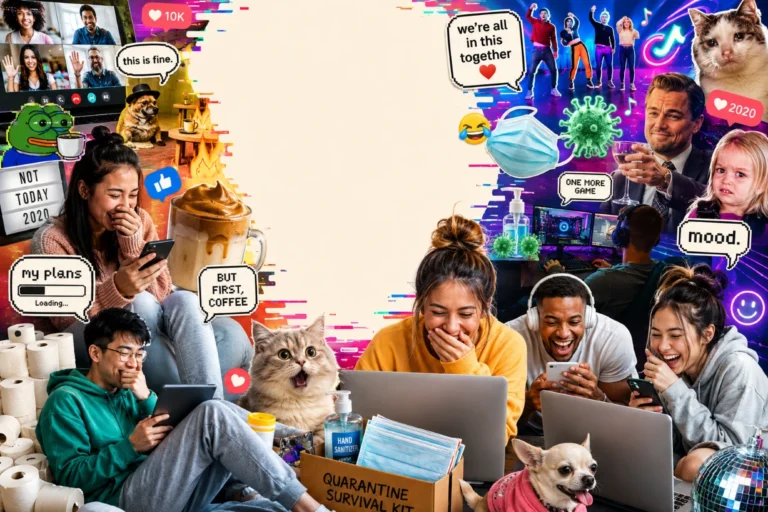
Relive the viral 2020 memes and a very specific kind of feeling comes back at once. We remember bare grocery shelves, endless Zoom meetings, and the strange comfort of laughing at our screens while the world felt upside down. For many of us, 2020 memes were not just jokes. They were a lifeline, a shared language, and a way to say, “Are you okay?” without having to explain much more.
Why 2020 Memes Hit So Hard
When we talk about 2020 memes, we are also talking about how people handled fear, boredom, and change. Memes worked as quick relief. Instead of long talks, we shared a screenshot, a TikTok, or a tweet, and everyone “got it.”
Several things made those memes feel different:
- Shared experience: For once, most of the planet was dealing with the same big story.
- Nonstop screen time: We were online more than ever, scrolling late into the night.
- Low emotional energy: Long articles felt heavy. A short meme felt just right.
- Fast remix culture: One idea could spread and change in hours, not days.
Because of this mix, 2020 memes became a living diary of the year. When we look back at them now, we remember not only the joke, but where we were and how we felt the first time we saw it.
The “This Is Fine” Energy Of Early 2020 Memes
Early in the year, many people moved from quiet concern to pure disbelief. Memes started to reflect that slow slide from “this might be bad” to “nothing makes sense anymore.”
The “2020 Bingo” And “Level” Memes
One of the most famous patterns in 2020 memes looked like game levels or a bingo card. Every new crisis became another square or another “level” of a very dark video game. People joked, “What boss battle is next?” It was sarcastic, but it helped us name the feeling that the year kept stacking more and more surprises.
“July 2020: we had murder hornets, fire tornadoes, and still no break in sight.” Those posts mixed humor and real tiredness. Laughing at 2020 as if it were a badly written movie gave us distance from the chaos, even for a second.
Toilet Paper Panic And Stockpiling Jokes
Few 2020 memes are as easy to remember as the toilet paper ones. Photos of packed carts, empty shelves, and rolls treated like gold spread quickly. People made jokes about trading toilet paper for rent or hiding a secret stash like buried treasure.
Behind the humor was a real fear of shortage and lack of control. By joking about it, many of us admitted, “Yes, this is wild,” instead of keeping our worry silent.
Working From Home: Zoom Calls And Sweatpants Culture
When offices and schools closed, we traded dress shoes for slippers and desks for kitchen tables. 2020 memes around remote work captured that odd mix of comfort and stress.
Zoom Fails And Filter Disasters
Zoom bloopers quickly turned into viral content. We saw people talking while on mute, cameras left on by mistake, kids and pets walking through serious calls, and the now legendary lawyer who said, “I am not a cat,” while stuck on a kitten filter.
These 2020 memes helped break the fake wall between “professional” and “real life.” Many of us were worrying about health and bills while also trying to look calm on screen. Memes about Zoom failures gave us permission to laugh at our own mistakes instead of feeling only shame.
The “Top Half Only” Outfit Joke
Another classic 2020 meme style showed people wearing a shirt and tie on top and pajamas on the bottom. Or a blazer on camera and gym shorts just out of view. We shared photos of messy work zones next to a tiny, neat square of background made to look presentable.
These memes said what many were thinking: we were doing our best, but nobody was “perfectly adjusted” to remote life. We were all just figuring it out in real time.
Quarantine Lifestyle: Banana Bread, TikTok Dances, And “We Outside?”
Staying home created a whole new meme vocabulary. Baking, home workouts, and strange hobbies all found their way into 2020 memes.
The Banana Bread And Sourdough Wave
All at once, our feeds filled with loaves. Banana bread, sourdough starters with names, and first attempts at cooking new recipes turned into running jokes. People posted “Day 14 of quarantine: I am now a bread expert,” along with half-burned photos.
Those memes were gentle and warm. They showed how people tried to turn fear into comfort. The smell of fresh bread, the feel of dough in our hands, and the pride of a golden crust gave color to a year that often felt gray.
TikTok Dance Challenges And Family Skits
Many 2020 memes came straight from TikTok. Songs and dances we now link with that year became worldwide trends. Families, roommates, and even grandparents filmed dance challenges, parody songs, and short skits about quarantine life.
These videos reminded us that even under stress, people still reach for rhythm, movement, and shared joy. For teens stuck at home, 2020 memes on TikTok were a way to connect, flirt, and laugh without leaving their rooms.
“When Outside Opens” And Lockdown Dreams
Another large group of 2020 memes pictured the first day “outside” would be fully open. We saw fake movie posters for people stepping into the sun, jokes about going to the grocery store like it was a club, and giant wish lists of the first places people wanted to visit.
These posts were half joke, half hope. They helped us picture life after restrictions, even when no one knew the exact timeline.
Pop Culture 2020 Memes That Defined The Year
Some 2020 memes grew from big pop culture moments that gave us common ground when news felt heavy. They became symbols we still quote years later.
“Tiger King” And Its Wild Characters
Early in lockdown, many people started the same show: “Tiger King.” The story was so strange that it almost matched the chaos outside. Instantly, memes appeared about big cats, wild outfits, and that chorus of “Carole Baskin.”
People joked about Joe Exotic for weeks. Memes used scenes from the show to describe everything from friendship drama to work gossip. It was one of the first times in 2020 when so many viewers tuned in at the same time and then rushed online to laugh together.
The “How It Started vs. How It’s Going” Format
Later in the year, another format became a key 2020 meme: “How it started vs. how it’s going.” People posted two pictures side by side. The first showed hope or a neat plan. The second showed a messy, funny, or honest reality.
At first, this focused on glow-ups and success stories. Soon, people used it to talk about 2020 itself. January compared to November, a clean office versus a pile of laundry behind a laptop, a planned travel year beside a photo of someone in the same hoodie for months. It was simple, visual, and emotional all at once.
Bernie Sanders And Other Late-Year Icons
While the Bernie sitting-in-mittens meme went fully viral in early 2021, the feeling behind it grew from 2020 memes. The image of someone bundled up, slightly tired, and over it matched how many of us felt by the end of that long year. People edited the seated figure into movie scenes, concerts, and family photos to show that world-weariness we all knew.
The Emotional Work 2020 Memes Quietly Did For Us
It is easy to dismiss memes as light content, but 2020 memes often carried deep emotions. They helped us:
- Release tension: Laughing together made fear feel smaller, even for a moment.
- Feel less alone: Seeing our private worries turned into memes showed that others felt the same way.
- Speak safely: Memes let people hint at grief, burnout, or anxiety without needing full, heavy talks each time.
For many, sharing a meme was easier than starting a serious message. We sent them to family group chats, coworkers, and old friends we had not talked to in years. That one image or short clip said, “You on my mind. I see what you are going through.”
How 2020 Memes Changed Internet Culture
The wave of 2020 memes also shaped how we use social media now. Some changes still show in our feeds:
Memes Became Faster And More Layered
In 2020, memes moved quickly from one platform to another. A tweet became a TikTok, then a screenshot on Instagram, then a joke in a group chat. Each person added a local twist, a language mix, or a new caption. This constant remix created a feeling of global inside jokes that never fully ended.
Brands And Institutions Joined The Joke
Many brands, museums, and even city accounts started using 2020 memes to talk with the public. Some did it awkwardly. Others did it with real care, sharing health tips or closure updates through humor.
That shift blurred the line between “official” tone and the casual, slightly chaotic tone of memes. It also raised questions about when humor helps and when it feels out of place during a crisis.
Mental Health And Meme Culture
Dark humor had a strong presence in 2020 memes. Many posts spoke about burnout, zero motivation, or sleepless nights with a half-joking voice. While this helped some people feel seen, it also opened bigger talks about when jokes hide the need for real help.
Therapists, teachers, and parents began to use memes as a starting point. A teen posting a “jokey” meme about not wanting to do anything all day could be sharing more than just a laugh. Paying attention to those signals became a new kind of listening.
Revisiting 2020 Memes Today: Nostalgia, Grief, And Gratitude
Looking back on 2020 memes is not only about humor. That year also held loss, loneliness, and long-term impact. When an old meme pops up in our memories, it can bring mixed feelings.
Some people feel a strange nostalgia, not for the crisis itself, but for the sense of shared focus. The whole world seemed tuned in to the same themes. Others feel raw sadness when reminded of those months.
Still, revisiting 2020 memes can also bring quiet gratitude. We remember small acts of care, neighbors leaving food at doors, teachers learning to teach through screens overnight, health workers doing long shifts while people cheered from balconies. Our jokes from that time sit on top of a deep well of human effort.
How To Archive And Revisit Your Favorite 2020 Memes
If you want to relive your own set of 2020 memes, you can treat them almost like a digital scrapbook.
Some simple ideas:
- Save old screenshots into a folder labeled by month or theme.
- Create a private album with your favorite remote work and Zoom memes.
- Print a few memes that meant a lot and keep them in a journal to mark that season of life.
- Talk with friends about the memes you shared most and what you remember feeling then.
By doing this, we honor not just the humor, but the people we shared those jokes with and the strength it took to get through that year.
What 2020 Memes Teach Us About Coping Together
When we relive the viral 2020 memes that got us through, we see more than punchlines. We see a global community trying, in real time, to make sense of a year that refused to follow any script.
Those 2020 memes remind us that even during confusion and fear, people still reach for connection, creativity, and shared laughter. They show how humor can sit side by side with grief and how a single image on a screen can carry a message of “me too” across miles and borders.
As we face new challenges in other years, we can remember what 2020 memes revealed: our need to laugh, our need to be heard, and our deep ability to care for one another, even when the only way to reach each other is through a glowing rectangle in our hands.
FAQs About 2020 Memes
Why were 2020 memes so popular compared to other years?
2020 memes spread widely because almost everyone was dealing with the same events at the same time. Lockdowns and remote life pushed people online for news, company, and stress relief. Memes were quick, sharable, and easy to laugh at when many of us were too tired for longer content.
What are some of the most famous 2020 memes?
Some of the best-known 2020 memes include toilet paper shortage jokes, “2020 bingo” cards, Zoom fail screenshots, banana bread and sourdough posts, “How it started vs. how it’s going” pictures, and memes around big shows like “Tiger King.” Each of these captured a different side of that year’s daily life.
Did 2020 memes really help with mental health?
Memes are not a full answer to mental health needs, but many people say 2020 memes helped them feel less alone and more understood. Sharing a meme could break the ice for deeper talks or lighten the mood during hard days. Still, serious stress, anxiety, or depression needs more support than humor alone can give.
How did 2020 memes change the way brands use social media?
Brands saw how fast 2020 memes traveled and began using similar formats to talk with customers. Some created jokes about remote work, online school, or small daily struggles. The year pushed many companies to sound more human and less stiff, though not every attempt worked well with audiences.
Where can I still find 2020 memes now?
You can search for 2020 memes on platforms like Reddit, Instagram, TikTok, and X (Twitter). Try tags or phrases such as “2020 memes,” “quarantine memes,” “Zoom memes,” or “Tiger King memes.” Old group chats, saved posts, and phone galleries are also rich personal archives from that time.
Are 2020 memes still funny, or have they aged badly?
How 2020 memes feel now depends on the person. Some people still laugh and feel warm nostalgia; others feel sadness or stress when reminded of that year. Many memes do stay funny because they focus on small daily moments, like cooking experiments or video call fails, that still happen in some form today.
Can looking back at 2020 memes be helpful for kids and teens who lived through that year?
Yes, when done gently. Revisiting 2020 memes with kids and teens can help them put words and images to a strange time they may not fully remember. It gives space to talk about what was hard, what was oddly fun, and how they feel now when they look back at those shared jokes.
What do 2020 memes tell us about future crises and online humor?
2020 memes show that during big crises, people lean toward fast, visual jokes that spread across borders. They also show the need for kindness and care in humor, since many people are hurting while they laugh. Future online trends will likely keep mixing jokes, shared learning, and emotional support in the same space, just as 2020 memes did.