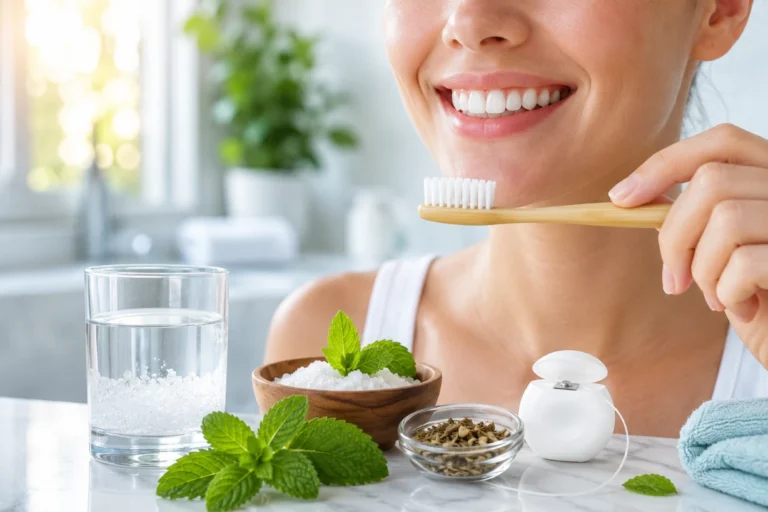
Many people type “how to cure gum disease without a dentist” when their gums start to bleed, swell, or feel sore. They might feel scared, short on money, or unable to see a dental professional right away. We understand that feeling. While real gum disease needs proper diagnosis and often in-office treatment, there is still a lot we can do at home to improve gum health, slow disease, and sometimes reverse early stages.
Can You Really Cure Gum Disease Without A Dentist?
The hard truth is that advanced gum disease cannot be fully cured without professional care. Deep pockets, heavy tartar below the gumline, and loose teeth need tools and skills we only find in a dental office.
However, if you are in the early stage called gingivitis, learning how to cure gum disease without a dentist at home can make a big difference. Early gum problems are caused mostly by plaque, bacteria, and poor daily care. These can often be improved with strong, consistent home habits.
Our goal in this guide is to show you how to support healing, reduce pain, and protect your mouth, even if you cannot see a dentist right now. We will also be honest about the point where home care is not enough.
Know Your Stage: Gum Inflammation Or Real Gum Disease?
Before we talk about how to cure gum disease without a dentist, we need to understand what is happening in the mouth. There are three main levels of gum problems.
Gingivitis: The Early, Reversible Stage
Gingivitis is inflammation of the gums caused by plaque. At this stage, the bone around the teeth is still healthy. With good home care, it can usually be reversed.
Common signs include:
- Red, puffy, or swollen gums
- Bleeding when brushing or flossing
- Bad breath that does not go away easily
- Soreness when you press on the gums
If this sounds like you, learning how to cure gum disease without a dentist using strong home care may help you bring gums back to health.
Early Periodontitis: The Warning Stage
If gingivitis is not treated, bacteria move deeper under the gums. The support bone begins to break down. This is called periodontitis.
Signs may include:
- Gums still bleed, but now they may recede a bit
- Bad breath is more constant
- You may see small gaps between teeth and gums
At this stage, home care can slow the disease, but it is hard to fully cure heavy damage without a dentist.
Moderate To Severe Periodontitis: Professional Care Needed
In more advanced stages, the gums pull far away, forming deep pockets. There is bone loss, and teeth may start to feel loose or change position.
Warning signs include:
- Teeth that feel wiggly or move when you bite
- Gums that look very thin or pulled back
- Frequent abscesses or pus around teeth
- Changes in how your teeth fit when you close your mouth
In this group, “how to cure gum disease without a dentist” becomes less realistic. Strong home habits still matter, but they do not replace deep cleaning or surgery when needed.
The Foundation: Daily Oral Care That Actually Works
If we want to know how to cure gum disease without a dentist in early stages, we must start with daily habits. Many people say they brush and floss, but they still have gum problems. Often, the problem is not what they do, but how they do it.
Brushing Technique That Protects Gums
Use a soft-bristled toothbrush and gentle pressure. Hard brushing can damage gum tissue and cause more recession.
Use this simple method twice a day:
- Hold the brush at a 45-degree angle toward the gumline.
- Use small, gentle circles, not harsh back-and-forth scrubbing.
- Spend at least 2 minutes total, covering all sides of every tooth.
- Do not forget the gumline and the back of the last teeth.
Electric toothbrushes can be very helpful for people with early gum disease. They remove more plaque with less effort, which supports our goal of how to cure gum disease without a dentist in mild cases.
Flossing: The Part Most People Skip
Floss reaches the places a toothbrush cannot: between teeth and under the gumline. This is exactly where gum disease starts.
To floss in a gum-friendly way:
- Slide the floss gently between two teeth.
- Curve it into a “C” shape around one tooth.
- Move it up and down along the side of the tooth and slightly under the gum.
- Repeat on the neighbor tooth before moving to the next space.
If your goal is how to cure gum disease without a dentist, daily flossing is not optional. It is one of the strongest tools we have at home.
Interdental Brushes And Water Flossers
For people with larger gaps, braces, or early gum pockets, small interdental brushes or water flossers can help clean deeper areas.
They are not a perfect replacement for floss, but they are better than nothing for people who struggle with regular floss or have special needs. Many people combine both methods for best results.
Natural Home Remedies That Support Healthier Gums
People searching “how to cure gum disease without a dentist” often want natural treatments. Some home remedies can help reduce bacteria and calm inflamed gums. They do not replace cleaning, but they can support healing.
Salt Water Rinses
Warm salt water soothes sore gums and helps reduce surface bacteria.
We can use this simple recipe:
- Mix 1/2 teaspoon of salt in 1 cup of warm water.
- Swish gently around the mouth for 30 seconds.
- Spit it out. Do not swallow.
- Repeat 2 to 3 times a day during flare-ups.
This is a safe, cheap way to support gum health when working on how to cure gum disease without a dentist in early stages.
Hydrogen Peroxide Rinse (Diluted)
Low-strength hydrogen peroxide helps kill bacteria and whiten teeth slightly when used correctly.
How to use it safely:
- Use 3 percent hydrogen peroxide from the pharmacy.
- Mix equal parts hydrogen peroxide and water.
- Swish gently for about 30 seconds, then spit.
- Use no more than once daily for a short period, unless a doctor says otherwise.
Do not swallow hydrogen peroxide. Overuse can irritate the mouth, so we use this as a short-term helper, not a long-term daily wash.
Oil Pulling With Coconut Or Sesame Oil
Oil pulling is an old practice where oil is swished in the mouth to reduce bacteria.
For people wondering how to cure gum disease without a dentist, oil pulling can be a useful extra step, but not the main treatment. If you choose to try it:
- Place 1 tablespoon of coconut or sesame oil in your mouth.
- Gently swish it between teeth for 5 to 10 minutes.
- Spit the oil into the trash, not the sink, to avoid clogged pipes.
- Rinse with warm water and then brush as usual.
Some people feel less bad breath and smoother teeth after a few weeks of regular practice.
Herbal Mouth Rinses: Tea Tree, Aloe, Green Tea
Some herbs show promise in research for supporting gum health:
- Tea tree oil: Must be diluted; never swallow. A few drops in a glass of water can be used as a rinse, but it can be strong and may irritate. Test carefully.
- Aloe vera gel: Pure, food-grade aloe gel can be gently rubbed along sore gums to calm inflammation.
- Green tea: Drinking unsweetened green tea adds antioxidants that may support gum and bone health.
These natural helpers may support our plan for how to cure gum disease without a dentist in its mild stages, especially when used with strong brushing and flossing habits.
Food, Lifestyle, And How They Shape Gum Health
Gum disease is not only about teeth. It is also about the whole body. When we think about how to cure gum disease without a dentist, we have to look at diet, smoking, stress, and other health problems.
Food Choices That Help Or Hurt Gums
Harmful foods for gums include:
- Sticky candies and sweets that cling to teeth
- Sugary drinks like soda, sports drinks, and sweet tea
- Frequent snacking, which feeds bacteria all day long
Supportive foods include:
- Crunchy fruits and veggies like apples, carrots, and celery
- Foods rich in vitamin C, such as oranges, berries, and peppers
- Foods with calcium, like dairy products, tofu, and leafy greens
- Omega-3 fats from fish, walnuts, or flax seeds, which may help reduce inflammation
Drinking plenty of water helps wash away food bits and keeps saliva flowing. Saliva is a natural cleaner that helps us in our fight to cure gum disease without a dentist.
Smoking, Vaping, And Gum Disease
Smoking and vaping are strong risk factors for gum disease. They reduce blood flow in the gums and make it easier for harmful bacteria to grow.
If we are serious about how to cure gum disease without a dentist, quitting tobacco is one of the most powerful steps we can take. Even cutting down can improve healing.
Stress, Sleep, And General Health
Our immune system fights the bacteria that cause gum disease. When we are under heavy stress, lack sleep, or have uncontrolled conditions like diabetes, the body’s defense drops.
Steps that help:
- Getting 7 to 9 hours of quality sleep most nights
- Finding simple stress relief habits, such as walking or deep breathing
- Working with a doctor to keep blood sugar and other conditions under control
Healthy gums begin with a healthy body. This deeper view matters when we look closely at how to cure gum disease without a dentist in a realistic way.
Realistic Home Plan For Early Gum Problems
Here is a simple 4-week plan for someone with mild gingivitis who is searching for how to cure gum disease without a dentist. This does not replace medical advice, but it can guide daily habits.
Week 1: Clean-Up And Reset
Focus on:
- Brushing gently twice a day for 2 minutes with a soft brush
- Flossing every night, even if gums bleed a bit at first
- Rinsing with warm salt water twice a day
- Cutting out sugary drinks and late-night snacks
Week 2: Add Supportive Rinses
Keep all habits from week 1. Add:
- One diluted hydrogen peroxide rinse per day, for a few days, if gums are still very sore
- More water intake and at least 2 servings of crunchy fruits or veggies daily
Week 3: Fine-Tune Technique
Check your brushing and flossing in a mirror. Make sure you are reaching the back teeth and the gumline. Consider adding an interdental brush where food gets stuck often.
Week 4 And Beyond: Keep Going
By this time, many people notice less bleeding and swelling. To continue your path in how to cure gum disease without a dentist in early stages, stay consistent. Gums can worsen again if habits slip.
When Home Care Is Not Enough
We have talked a lot about how to cure gum disease without a dentist, but we must also be honest about danger signs. Some situations need face-to-face care as soon as possible.
Seek dental or medical help quickly if you notice:
- Severe pain that keeps you awake at night
- Swelling in the face, jaw, or neck
- Pus coming from the gum or around a tooth
- Fever with mouth pain
- Teeth that feel loose or suddenly change position
If cost is a concern, look for community dental clinics, dental schools, or sliding-scale services. Even one deep cleaning can change the long-term outlook far more than home care alone.
Balanced View: What You Can And Cannot Do At Home
So, how to cure gum disease without a dentist in a safe, honest way? We can say:
- Early gingivitis often improves or clears with strong, daily home care and lifestyle changes.
- Natural rinses and better diet support healing but do not replace cleaning.
- Once bone loss and deep pockets form, home care cannot fully reverse the damage.
We do not need to be perfect, but we must be consistent. Small daily actions, repeated again and again, carry more power than a single big effort once in a while.
When we combine home care, healthy habits, and professional help when truly needed, we give our gums their best chance to heal and stay strong for life, even if our first step began with a search for how to cure gum disease without a dentist.
Frequently Asked Questions About Gum Disease And Home Treatment
Can I really cure gum disease at home without going to the dentist?
Mild gingivitis can often be reversed with strong home care, such as careful brushing, daily flossing, and helpful rinses. However, once gum disease has damaged bone or created deep pockets, it usually cannot be fully cured without a dentist. At-home steps are still very important, but they work best together with professional care.
How long does it take for gums to heal with home treatment?
If the problem is early gingivitis, most people notice less bleeding and swelling within 1 to 2 weeks of careful brushing and flossing. More serious gum disease can take months to manage and usually needs professional treatment. Being patient and consistent is key when trying how to cure gum disease without a dentist in the early stage.
Is oil pulling enough to cure gum disease?
No. Oil pulling may help lower bacteria and improve breath, but it does not replace brushing, flossing, or dental cleanings. It can be a helpful extra step, but relying only on oil pulling for how to cure gum disease without a dentist is risky and not supported by strong evidence.
Do bleeding gums mean I have serious gum disease?
Bleeding gums are usually a sign of inflammation, often from plaque build-up. This can be early gingivitis, which is reversible. However, if bleeding is heavy, lasts a long time, or comes with loose teeth or severe pain, it may mean advanced periodontal disease. In those cases, home care alone is not enough.
Are natural mouthwashes better than store-bought ones for gum disease?
Both can help. Salt water, aloe, and some herbal rinses may soothe gums and lower bacteria. Some store-bought mouthwashes contain proven ingredients that fight plaque. The real key is regular, careful cleaning of teeth and gums. Mouthwash, whether natural or commercial, is only a helper, not a cure by itself.
Can I scrape tartar off my teeth by myself at home?
We strongly do not recommend trying to scrape tartar at home. Using sharp tools without training can cut the gums, push bacteria deeper, and damage enamel. Only trained dental professionals should remove tartar. Focus your at-home plan on plaque control, not tartar removal.
What is the best daily routine to prevent gum disease from coming back?
The most effective routine includes:
- Brushing gently for 2 minutes twice a day with a soft brush
- Flossing once a day, every day
- Using a simple rinse, such as warm salt water, during flare-ups
- Limiting sugar and sodas and drinking plenty of water
- Not smoking or vaping, or working on quitting
This type of daily care is the strongest foundation for how to cure gum disease without a dentist in its early stage and keep your gums healthy over the long term.